Negative Effects of Free Radicals
- Aging
- Cancer
- Disruption of normal cell activities
- Heart Disease
- Damage DNA
Antioxidants
Antioxidants, such as resveratrol, can help to neutralize free radicals by donating an electron, which stabilizes the molecule and stops the chain reaction. By doing so, they can help to prevent or reduce oxidative damage in the body. This is why consuming antioxidant-rich foods or supplements, such as resveratrol, may offer health benefits.
ORAC stands for Oxygen Radical Absorbance Capacity
ORAC stands for Oxygen Radical Absorbance Capacity, which is a measure of the antioxidant capacity of a substance or food. It was developed by scientists at the National Institutes of Health (NIH) as a way to measure the ability of antioxidants to neutralize free radicals in a test tube.
The ORAC value of a substance is determined by measuring its ability to neutralize free radicals in a test tube in comparison to a standard reference antioxidant, such as Trolox. The higher the ORAC value, the more effective the substance is at neutralizing free radicals.
Is Resveratrol an Antioxidant
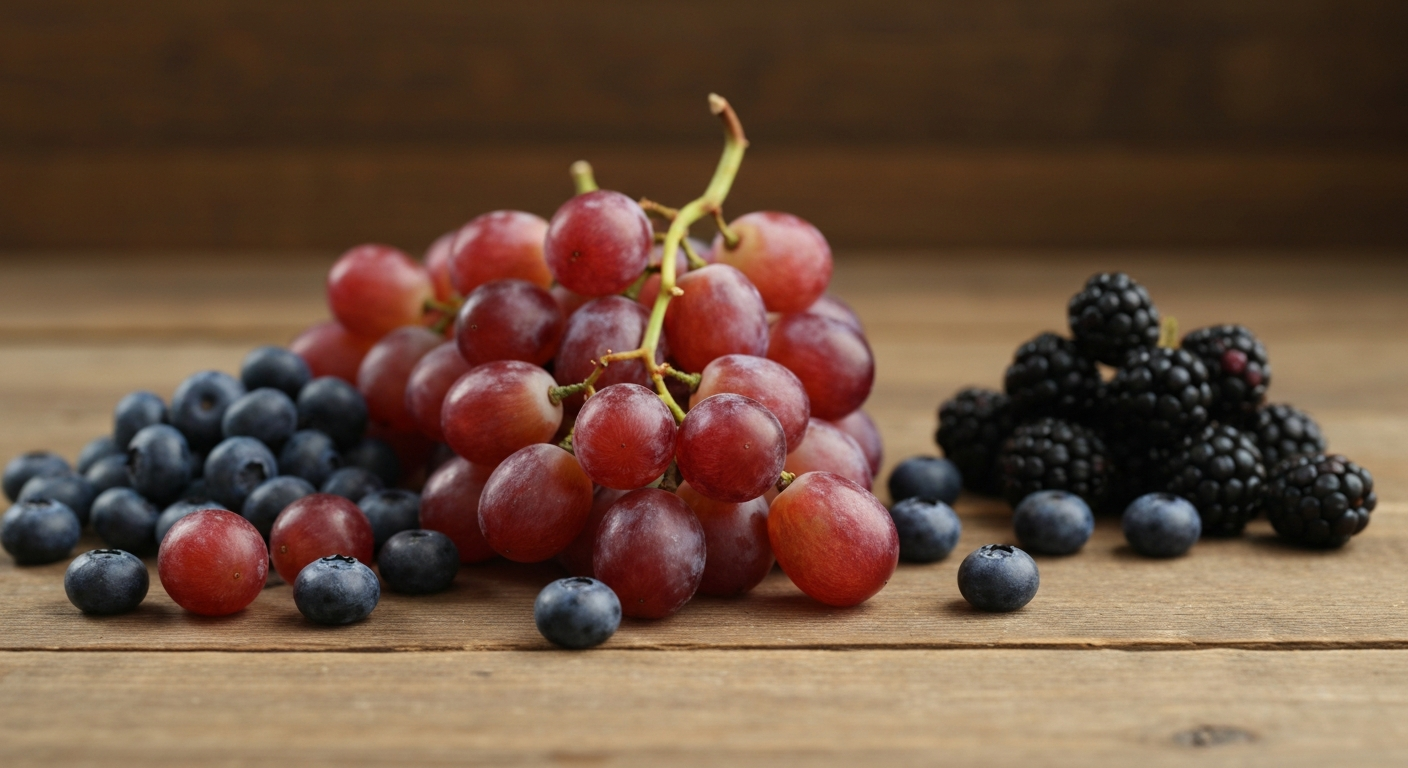
Yes, resveratrol is an antioxidant. It is a natural compound found in some plants, including grapes, berries, and peanuts, and is known for its potential health benefits. Resveratrol has been shown to have antioxidant properties, which means it can help to protect cells in the body from damage caused by harmful molecules called free radicals. This may contribute to its potential health benefits, including reducing inflammation, improving heart health, and potentially reducing the risk of certain cancers.
It is important to note that ORAC values were determined using in vitro tests, and the results may not directly translate to the human body's antioxidant response. Additionally, the use of ORAC values as a measure of a food or substance's overall health benefits has been criticized as it doesn't take into account the complex interactions between different compounds in the body and the way they may contribute to health.
Nonetheless, ORAC values can be a useful tool for comparing the antioxidant capacity of different substances or foods in vitro.
How is resveratrol different to other antioxidants
- Mechanism of action: Resveratrol has been found to activate a specific group of enzymes known as sirtuins, which play a role in regulating cellular processes such as metabolism and DNA repair.
- Bioavailability: Resveratrol is relatively poorly absorbed by the body when consumed orally, meaning that only a small fraction of the ingested dose actually makes it into the bloodstream.
- Food sources: Resveratrol is found primarily in the skins of grapes and other berries, as well as in peanuts.
Powerful Antioxidants – Ingredients
Blueberry juice concentrate - These health benefits have been attributed to the important number of bioactive compounds in blueberries with activities such as antioxidant, antitumor, antimutagenic, and antidiabetic effects and the prevention of cardiovascular diseases.
Pomegranate juice concentrate - Possible benefits of pomegranate juice include being an antioxidant, which may help prevent cancer and other conditions, providing vitamin C, boosting digestive health, and reducing insulin resistance.
Sour cherry juice concentrate - Inflammation and oxidative stress are important factors in the development of cardiovascular disease and atherosclerosis.
Cranberry juice concentrate - Dietary components and in particular, (poly)phenol-rich fruits such as berries have been increasingly recognised for their protection against age-related neurodegeneration.
Japanese Sophora flowers - Quercetin supplements are made from the flower bud of Sophora japonica, the Japanese pagoda tree.
Disclaimer: This article is provided for general educational and informational purposes only. It is not intended to diagnose, treat or prevent any medical condition or replace personalised medical advice. Speak with an appropriately qualified healthcare professional about your individual circumstances.
Want support building an antioxidant-rich, balanced approach to eating? Explore nutrition coaching with Katie Larking.